
FEMA & PMLA Proceedings against NRIs
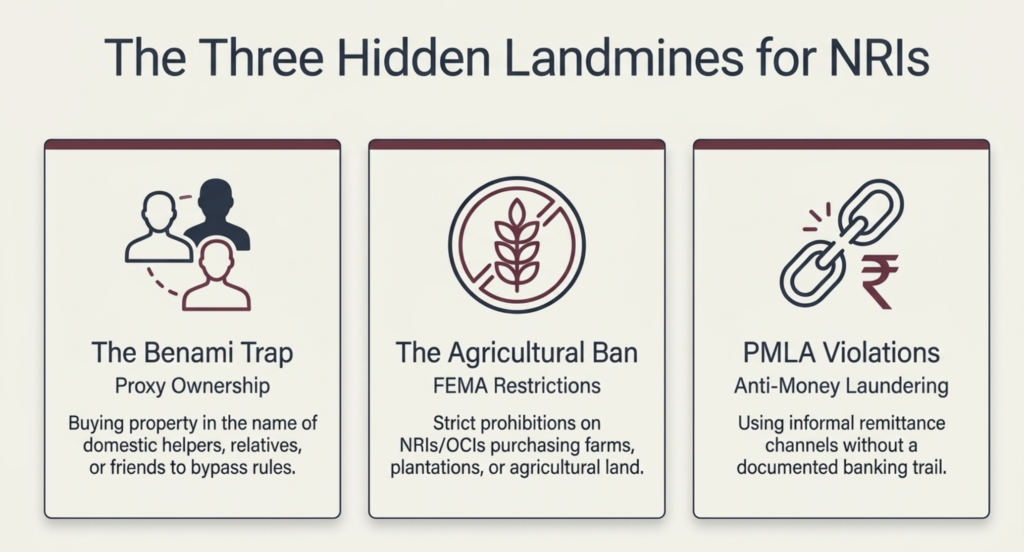
NRI cannot simply assume that sending money from abroad through informal channels or letting things go unnoticed will fly under the radar. In the past, things were handled very differently, transactions carried out by NRIs 20-25 years ago happened freely without intense scrutiny by the Indian tax department. Back then, NRIs relied on what they […]
How NRIs can File Complaint at NRI Commission in Punjab
A large number of people from Punjab have settled abroad but their properties and families are back in India. A lot of NRI Samelans (NRI Meetings) were held by the government to offer solutions to NRI’s problems. At NRI Samelans huge number of NRIs showed up with their concerns to the authorities and this is […]
Transfer of Property Ownership in India: A Guide for NRIs
Whether you are looking to transfer a family home to your children, settle ancestral land, or streamline your estate planning, understanding the legal framework is crucial to protecting your assets. Transferring Property Within Blood Relations Transfer Deed is one of the most cost-effective ways for an NRI to transfer self-acquired property to immediate family members […]
NRI Gift Deed of Agricultural Land in Haryana
A gift deed allows the owner to transfer property voluntarily without receiving monetary consideration. Gifting property in Haryana involves compliance with the Transfer of Property Act, 1882, the Foreign Exchange Management Act, 1999 (FEMA), applicable income tax provisions and Haryana’s property registration and stamp duty rules. This blog explains the legal framework for gifting property […]
NRIs guide to Gift Transfer of land in India
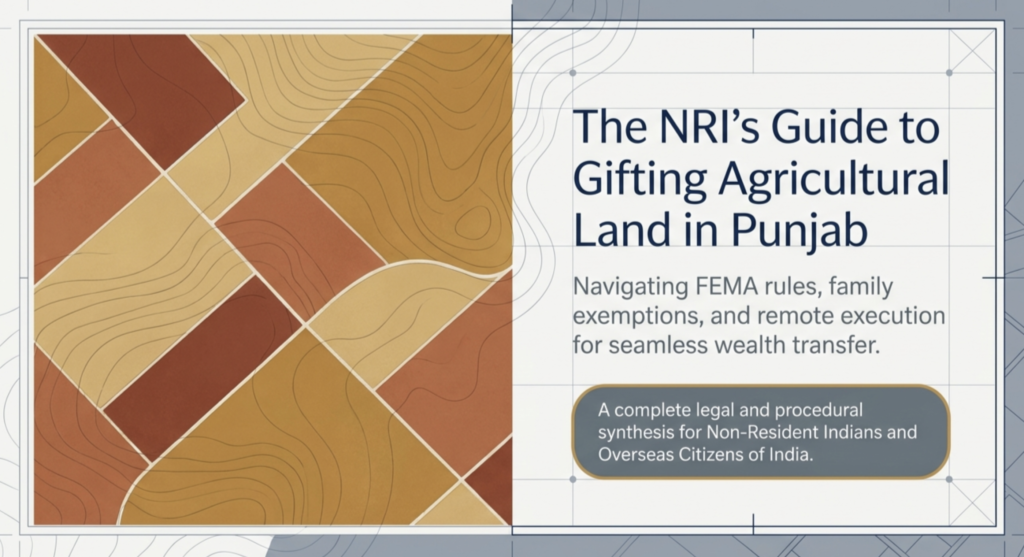
A Gift Deed can be a suitable legal instrument for the NRIs who wish to transfer their land/property to their children, parents or siblings who continue to live in India. Understanding the Difference Between Gift Deed and Transfer Deed A Gift Deed is a legal instrument used to transfer ownership of existing property voluntarily and […]
NRI husband’s guide to maintenance Laws in India
For NRI husbands, maintenance proceedings in India can become complicated because the spouses may be living in different countries, have different sources of income, and may have spent substantial periods living separately. An NRI husband cannot avoid maintenance merely by saying that he lives abroad or that his wife is living in India. At the […]
Foreign Divorce and Alimony Claims on Indian Property
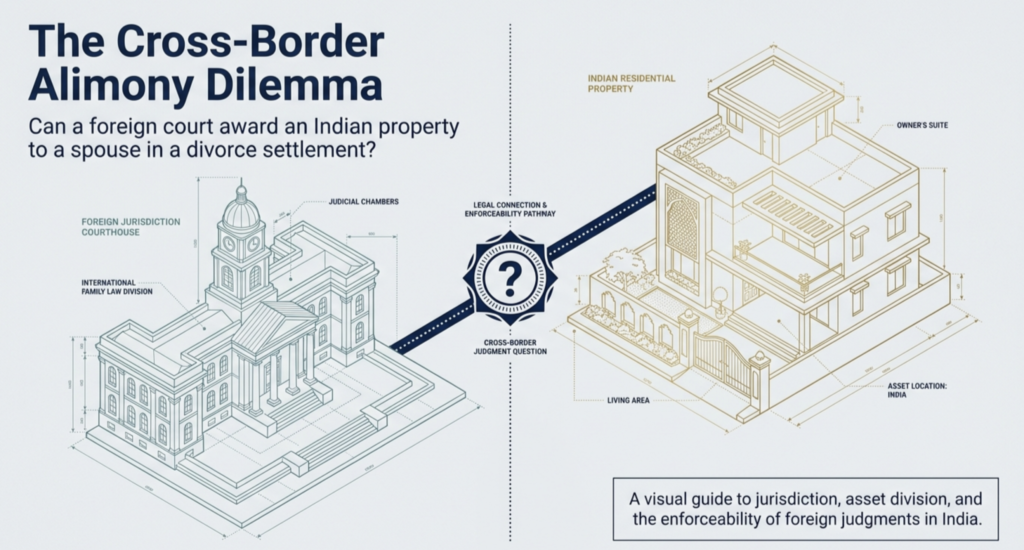
Can Wife Get a Share in her husband’s Indian property as Alimony if Divorce is filed Abroad? When a married couple files for divorce in a foreign country, questions may arise about the wife’s right to claim alimony from her husband, particularly when he owns property in India. The wife may seek financial support even […]
NRI Voting Rights in India: Eligibility, Form 6A and Voting Procedure
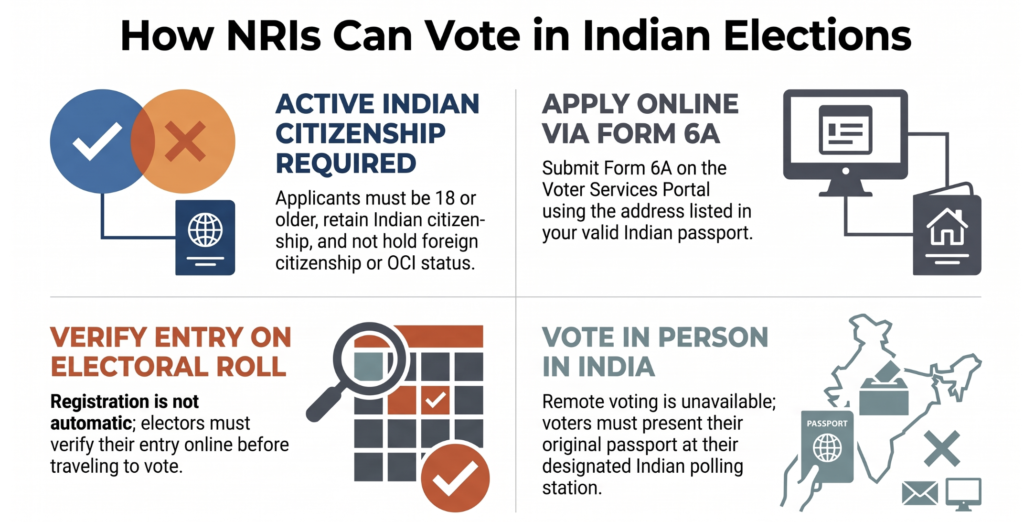
For Indians living abroad, voting in Indian elections can raise several practical questions. An NRI may be an Indian citizen living permanently or temporarily in another country, but that does not, by itself, prevent the person from registering as a voter in India. At the same time, simply having an Indian passport in the past, […]
NOC for Selling Property in India: A Guide for NRIs
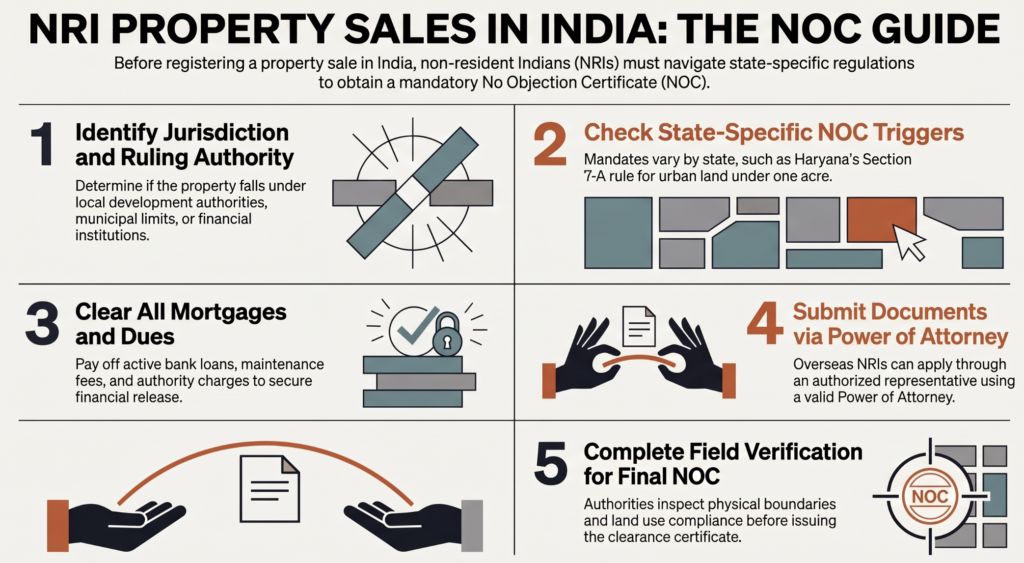
Buying and selling immovable property in Punjab, Haryana or Chandigarh is not merely of executing a sale deed and presenting it before the Sub Registrar. Depending upon the location and legal status of the property, the transaction may also require a few approval, permission, clearance or a No Objection Certificate (NOC) from the competent planning […]
Registration of LAL DORA (LAL LAKIR) Properties in Punjab, India
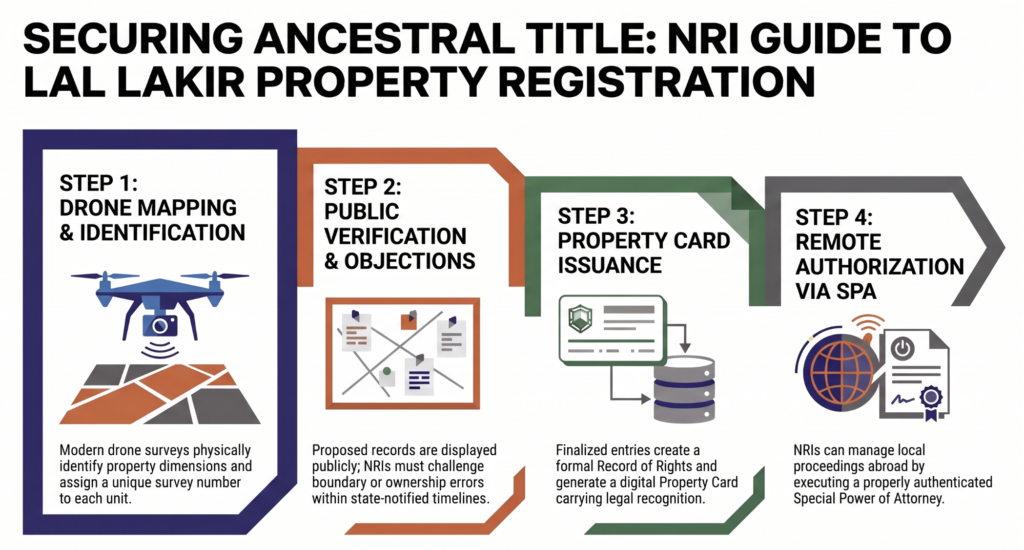
For generations, families in Punjab have owned houses, plots, shops and other properties situated within the Lal Lakir, commonly referred to as Lal Dora. These properties are often ancestral and may have remained in the same family for decades. However, unlike agricultural land, properties situated within the inhabited portion of a village were historically not […]